Ceilings are easy to overlook during a project, but they make a big difference in how a room looks and feels. Learning ceiling terms helps when choosing materials, planning the layout, or talking to a contractor. It helps you ask better questions, understand your options, and make smart choices.
This guide is for anyone involved in commercial spaces, contractors, building owners, or even curious designers. If you’ve ever felt lost in a conversation about ceiling panels, grids, or finishes, this blog is here to help.
Basic Ceiling Types
| Ceiling Type | What It Is | Where You’ll See It |
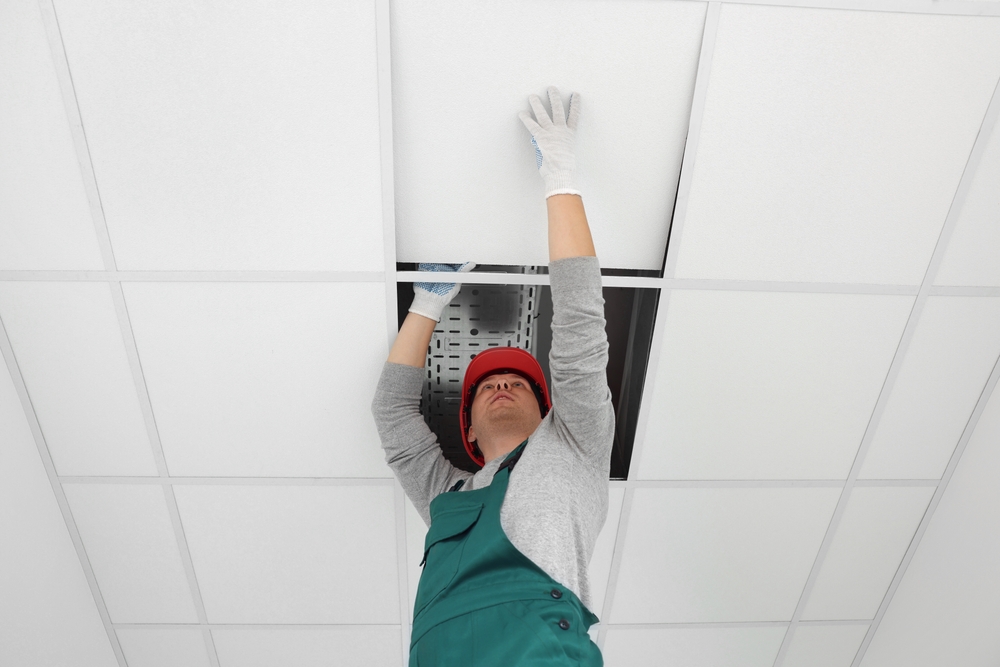
| Drop Ceiling | A metal grid that holds tiles and hangs below roof deck or concreted deck that separates floors | Offices, stores, schools |
| Suspended Ceiling | Another name for a drop ceiling is one that hangs from wires | Same as drop ceiling |
| Acoustic Ceiling | Tiles that absorb sound and make rooms quieter | Hospitals, classrooms, and meeting rooms |
| Exposed Ceiling | Shows beams, pipes, and ductwork for an open, industrial look | Modern offices, loft apartments, warehouses |
If you’ve ever asked, “What is a drop ceiling made of?”—it’s usually a lightweight grid and tiles made from materials like mineral fiber, metal, PVC, or gypsum.
Common Materials & Finishes
Ceiling materials can affect how a room looks, sounds, and even how easy it is to clean or fix. Let’s break down the most common ones and what makes each one unique.
Tiles vs. Panels
People often use the words tiles and panels when talking about ceilings. They’re very similar, but there’s a small difference:
- Ceiling Tile Material is usually smaller and square.
- Ceiling Panels are often larger and can come in different shapes.
Both fit into a ceiling grid, and your choice depends on the design, function, and budget of your space. When exploring the kinds of ceiling tiles available, keep in mind that each serves different acoustic and aesthetic needs.
Material Types
| Material | What It’s Made Of | Why It’s Used |
| Mineral Fiber | A mix of natural and man-made fibers | Good for sound control and fire resistance |
| Metal | Usually aluminum or steel | Strong, modern-looking, and easy to clean |
| PVC | A type of plastic | Lightweight, water-resistant, and easy to install |
| Gypsum | A soft, white material (like drywall) | Smooth finish and good for soundproofing |
Curious about what are ceiling tiles made of, or specifically what drop ceiling tiles are made of? The answer varies: most commonly, they’re made from mineral fiber, PVC, or metal, depending on their use.
Structural & Support Terms
The visible ceiling tiles rely on a hidden support structure that keeps everything in place.
- Grid System: The frame that holds the tiles or panels, hanging from the ceiling above.
- Main Runners: Typically 10 -12 Ft sections that carry most of the weight of the ceiling.
- Cross Tees: Snap into the main runners to form a grid.
- Wall Angles: Support the grid’s edge around the room.
If you’ve asked, what are suspended ceiling tiles made of, they are usually lightweight and designed for easy access to that plenum space. Materials like mineral fiber or PVC are common here too.
Design & Aesthetic Terms
Here are a few ceiling styles and details to know:
Coffered ceilings have a pattern of sunken panels, usually in squares. They look fancy and add depth, great for formal rooms.
Tray ceilings have a raised center with lower edges, like an upside-down box. It’s an easy way to add a bit of style.
Beam and vaulted ceilings show off wooden beams for a cozy look or rise upward to make the room feel bigger and more open.
Reveals and edge details are small design touches. Reveals are tiny gaps for a modern look, and edges can be flat, angled, or shaped to add style.
Understanding these design terms helps you pick a decorative ceiling that not only fits your space but also shows off your style.
Performance Terms
Here are some common performance terms and what they mean:
NRC (Noise Reduction Coefficient): Tells you how well a ceiling absorbs sound inside a room. Higher numbers mean less echo and quieter spaces. Great for offices, classrooms, and healthcare settings.
CAC (Ceiling Attenuation Class): Measures how well a ceiling blocks sound from traveling between rooms. A higher CAC helps keep conversations private and reduces noise from one space to another.
Fire Ratings: Some ceiling materials are made to slow the spread of fire. This adds extra safety and gives people more time to evacuate during emergencies.
Moisture Resistance: Ceilings with moisture resistance are great for damp areas like bathrooms, kitchens, or buildings in humid climates. They help prevent mold and water damage.
Understanding these terms helps you choose a ceiling that not only looks good, but also performs well where it matters most.
Installation & Maintenance Terms
Whether you’re planning a new build or updating an older space, these are good to know:
Lay-In Tiles: These tiles are simply placed, or “laid in,” into the grid. They’re easy to remove, which makes them great for spaces where you may need to access wires or ductwork above the ceiling.
Tegular Ceilings: These tiles hang either below or are even with the bottom of the Ceiling grid and look a little more decorative, but are a little more difficult to install or replace, as the edges need to be professionally cut to look good.
Access Panels: These are small doors or openings built into the ceiling. Access panels let you reach plumbing, electrical, or HVAC systems without removing tiles or damaging the ceiling.
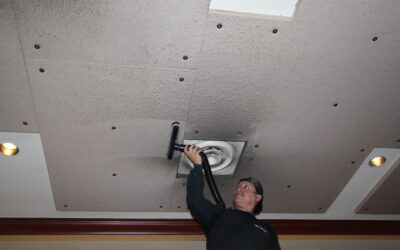
Ceiling Restoration: This means cleaning, painting, or repairing the existing ceiling to make it look and perform like new. It’s a good option when the structure is still in good shape but just needs a refresh.
Ceiling Replacement: This is when you take out the old ceiling and install a brand-new one. It’s the best choice when the ceiling is damaged, outdated, or no longer meets your needs.
Knowing these terms makes it easier to talk with installers and make smart choices when it comes to repairs or upgrades.
When to Use What
Here’s how to match ceiling types to different situations, plus a few tips to help you decide.
Drop or Suspended Ceilings: Great for offices, schools, and commercial buildings. They hide wires and pipes, are easy to access for repairs, and can help with sound control.
Acoustic Ceilings: Best for places where quiet matters, like offices, classrooms, hospitals, or conference rooms. They help reduce noise and make the space more comfortable.
Exposed Ceilings: Ideal for open-concept or industrial-style spaces. Use these when you want a modern, tall, and raw look. Just remember, everything above will be visible.
Moisture-Resistant Materials: Perfect for bathrooms, kitchens, or areas with high humidity. Look for PVC or coated tiles that can handle moisture without getting damaged.
High-End Styles (like coffered or tray ceilings): Work well in rooms where design matters, like hotel lobbies, waiting rooms, lounge areas, and restaurant dining rooms. These styles add character and make a statement.
Understanding Ceiling Terms for Smarter Building Decisions
Understanding basic ceiling terminology can help you make more confident and informed choices. Whether you’re updating an office, building from the ground up, or just exploring design possibilities, knowing the right terms helps you ask smart questions and compare your options with ease.
As a commercial ceiling service company in Houston, we are all about helping businesses find the right ceiling systems for their space. From acoustic tiles to full installations, our team brings the expertise you need to get the job done right.
Need help deciding which ceiling solution works best for your property? Contact us today for expert guidance and a free quote on your commercial ceiling project.